
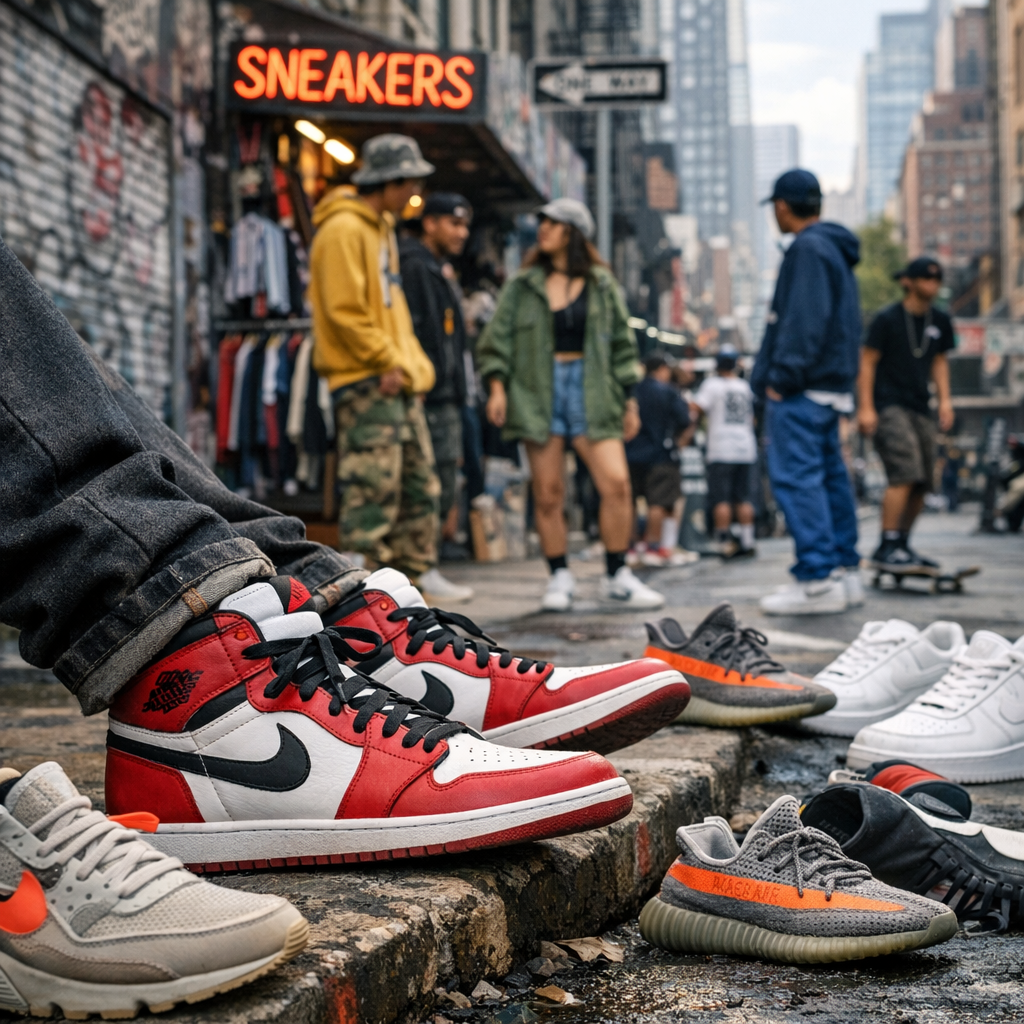
How Sneakers Changed Streetwear Forever
Streetwear didn’t start with fancy runways. It started on sidewalks, at skate spots, outside music venues, and in school hallways. Over time, one item became the clear MVP of the whole look: the sneaker. If you want to understand How Sneakers Changed Streetwear Forever, you have to look at how shoes went from “just something you wear” to “the center of the outfit.” Sneakers didn’t just join streetwear. They set the rules, broke them, and wrote new ones.
Today, you can spot a fit from across the street and guess the person’s taste just by the shoes. That’s the real sign of a culture shift. And it’s why How Sneakers Changed Streetwear Forever is still a story that keeps growing with every new drop.
How Sneakers Changed Streetwear Forever
Sneakers changed streetwear because they gave people a simple way to show who they are without saying a word. A pair of shoes could signal your crew, your city, your music taste, or what sports you grew up watching. In a world where everyone wants to stand out, sneakers became the loudest “quiet” statement you can wear.
Streetwear also loves contrast: clean with messy, pricey with thrifted, simple with bold. Sneakers fit that perfectly. A crisp pair can make a basic tee and jeans look pulled together. A loud pair can turn an all-black fit into something that stops traffic. If you’re looking for details on how trends move through street culture, it helps to notice how often shoes lead the way.
How Sneakers Changed Streetwear Forever by Making Shoes the Main Character
Before sneakers took over, a lot of outfits were built top-down: jacket first, then everything else. Streetwear flipped that. People started building outfits around the shoes. You’d pick the sneaker first, then match the hoodie, pants, hat, and even the socks.
This “shoes first” mindset made streetwear more playful. It also made it more personal. Two people can wear the same white tee, but the sneaker choice can make them look like they live in totally different worlds.
- Sneakers added color without needing loud prints
- They gave everyday outfits a collector vibe
- They made comfort cool, not lazy
How Sneakers Changed Streetwear Forever
Sneakers didn’t just change outfits. They changed behavior. They created lines outside stores. They made people learn release dates like holidays. They turned friends into trade partners and turned closets into mini museums.
That’s a huge reason How Sneakers Changed Streetwear Forever matters: sneakers taught streetwear fans how to hunt. You had to pay attention, be early, and sometimes take an L and move on. The chase became part of the fun.
Limited Drops and Collabs Made Streetwear Feel Like a Game
When brands started doing limited releases and collabs, streetwear got a new kind of energy. It felt like a competition, but also like a community. People compared pairs, shared tips, and argued about what was “real heat.”
Collabs also helped streetwear grow up. A sneaker collab could connect skate culture, hip-hop, sports, and fashion all at once. It was like a bridge between worlds that didn’t always mix before.
- Limited sneakers made items feel rare and special
- Collabs gave streetwear new stories to tell
- Resale turned sneakers into “money you can wear”
How Sneakers Changed Streetwear Forever
At some point, sneakers became more than streetwear. They became a kind of social signal. People notice what’s on your feet the same way they notice a watch or a bag. But sneakers feel more relatable because almost everyone wears them. That’s the magic: high impact, everyday item.
This also helped streetwear break into places it wasn’t “allowed” before. Offices got more casual. Restaurants got less strict. Even luxury fashion had to respond, because people wanted expensive pieces that still felt wearable with sneakers.
If you want information on how style shifts spread fast, look at sneakers as the delivery system. A trending shoe can make new colors, new cuts, and new silhouettes feel normal almost overnight.
From Courts and Tracks to Sidewalks and Fashion Weeks
Sneakers have sports roots, but streetwear gave them a second life. Basketball shoes, running shoes, and skate shoes all got remixed into daily uniforms. And when streetwear got louder online, the sneaker conversation went global.
The coolest part is that sneakers never fully left their roots. Even the most hyped pair still feels tied to movement. They look best when they look lived in, like they’ve been places. That feeling matches streetwear perfectly, because streetwear is supposed to feel real.
- Sports shoes became style staples
- Streetwear made performance shoes part of daily life
- Luxury had to adjust to a sneaker-first world
How Sneakers Changed Streetwear Forever
So, How Sneakers Changed Streetwear Forever isn’t just about shoes. It’s about what shoes let people do. Sneakers gave streetwear a foundation: comfort, identity, and a constant stream of new stories. They made outfits more expressive and made style feel like a shared language.
Streetwear will keep changing, but sneakers will stay at the center because they do something no other item can do. They carry memories, status, and personality, all while you’re just trying to get through your day. For more examples of how culture shapes what we wear, it helps to remember that streetwear has always belonged to the streets first, and sneakers are the strongest proof of that.
Where Streetwear Goes Next Starts at Ground Level
The future of streetwear will bring new materials, new tech, and new trends. But the main idea won’t change: people want style that feels good, looks sharp, and tells a story. Sneakers will keep leading because they sit right at the point where function meets flex.
In the end, the easiest way to see How Sneakers Changed Streetwear Forever is to look down. The streets are still writing the rules, and the sneakers are still holding the pen.
